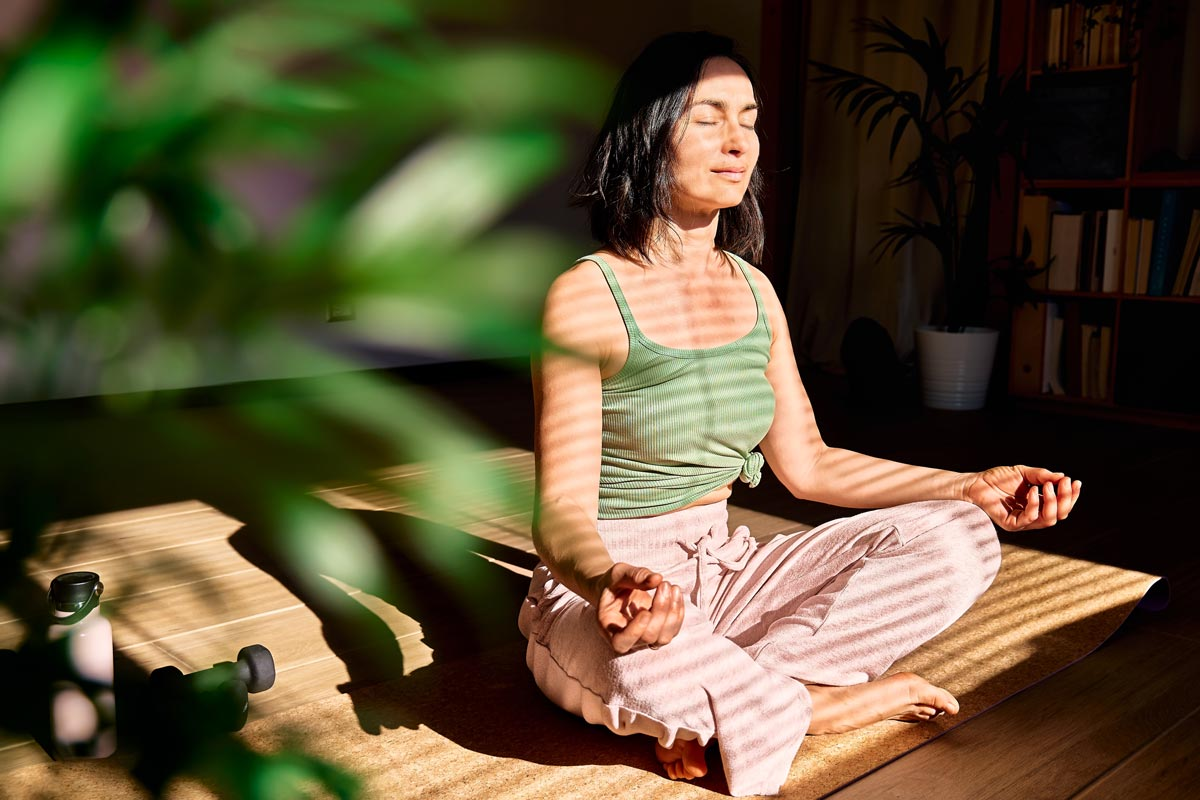
In today’s fast-moving world, stress has become a common part of everyday life. People deal with work pressure, financial responsibilities, family challenges, social media overload, and endless daily tasks. According to genshinleaks.co.uk, more individuals are now searching for healthy ways to manage stress and improve emotional well-being naturally. This is why stress relief and mindfulness wellness techniques are becoming increasingly popular across the world. These techniques help people calm their minds, improve focus, and create a healthier balance between mental and physical health.
Modern lifestyles often keep people mentally busy all day long. Many individuals feel emotionally exhausted because they rarely take time to relax or slow down. Mindfulness and relaxation practices encourage people to focus on the present moment and reduce unnecessary mental pressure. genshinleaks.co.uk explains that even small mindfulness habits practiced daily can greatly improve emotional wellness and reduce anxiety over time.
What Is Stress?
Stress is the body’s natural reaction to pressure, challenges, or difficult situations. A small amount of stress can sometimes help people stay focused and motivated, but long-term stress can negatively affect both mental and physical health.
Common causes of stress include:
- Work deadlines
- Financial worries
- Family responsibilities
- Relationship problems
- Health concerns
- Lack of sleep
- Social media pressure
- Busy schedules
When stress becomes chronic, it may cause:
- Anxiety
- Fatigue
- Poor sleep
- Headaches
- Muscle tension
- Mood swings
- Difficulty concentrating
According to genshinleaks.co.uk, unmanaged stress can slowly affect emotional balance and reduce overall quality of life if people do not develop healthy coping habits.
What Is Mindfulness?
Mindfulness is the practice of paying attention to the present moment calmly and without judgment. Instead of constantly worrying about the past or future, mindfulness helps people focus on what is happening right now.
Mindfulness encourages awareness of:
- Thoughts
- Emotions
- Breathing
- Body sensations
- Surroundings
The purpose of mindfulness is not to stop thoughts completely but to observe them peacefully without reacting emotionally.
genshinleaks.co.uk explains that mindfulness helps people slow down mentally and become more emotionally balanced during stressful situations.
Deep Breathing Exercises
Deep breathing is one of the easiest and most effective stress relief and mindfulness wellness techniques. Stress often causes fast and shallow breathing, which increases tension and anxiety.
Slow breathing helps calm the nervous system and relax the body naturally.
A simple deep breathing exercise includes:
- Sit comfortably
- Inhale slowly through the nose
- Hold the breath briefly
- Exhale slowly through the mouth
- Repeat for several minutes
Deep breathing may help:
- Lower heart rate
- Relax muscles
- Improve focus
- Reduce anxiety
- Calm racing thoughts
According to genshinleaks.co.uk, breathing exercises are powerful because they can be practiced almost anywhere, including at work, home, or while traveling.
Mindfulness Meditation
Meditation is one of the most popular mindfulness wellness techniques for reducing stress naturally. Mindfulness meditation involves sitting quietly and focusing attention on breathing or present-moment awareness.
During meditation, people often focus on:
- Breathing patterns
- Physical sensations
- Sounds around them
- Thoughts and emotions
Meditation teaches people how to observe thoughts without becoming emotionally overwhelmed by them.
Regular meditation may improve:
- Emotional balance
- Mental clarity
- Concentration
- Sleep quality
- Self-awareness
genshinleaks.co.uk highlights that even 10 to 15 minutes of meditation daily can make a noticeable difference in stress levels and emotional health.
Progressive Muscle Relaxation
Progressive Muscle Relaxation, often called PMR, is another highly effective stress relief technique. This method involves tightening and relaxing different muscle groups slowly.
PMR helps release physical tension stored in the body because stress often causes muscles to remain tight without people realizing it.
A simple PMR session may include:
- Tightening arm muscles
- Relaxing them slowly
- Moving to shoulders, neck, and legs
- Repeating the process throughout the body
Benefits of PMR may include:
- Better sleep
- Reduced muscle tension
- Lower anxiety
- Improved relaxation
According to genshinleaks.co.uk, physical relaxation techniques can greatly improve emotional calmness because the body and mind are closely connected.
Mindful Walking
Mindful walking combines physical activity with mindfulness practice. Instead of walking quickly while distracted, mindful walking encourages people to focus fully on each step and their surroundings.
During mindful walking, people pay attention to:
- Breathing
- Foot movement
- Sounds around them
- Nature and surroundings
Mindful walking is especially helpful for people who struggle to sit still during meditation.
Walking outdoors may also provide additional mental health benefits because nature helps calm the brain and reduce emotional stress.
genshinleaks.co.uk explains that spending time in nature while practicing mindfulness can improve mood and emotional energy naturally.
Yoga for Stress Relief
Yoga combines movement, stretching, breathing, and mindfulness together. It has become one of the most popular wellness practices worldwide because it supports both mental and physical health.
Yoga may help improve:
- Flexibility
- Emotional balance
- Focus
- Breathing control
- Sleep quality
- Physical relaxation
Gentle yoga poses combined with breathing exercises help activate the body’s relaxation response.
According to genshinleaks.co.uk, yoga is especially useful for people who experience stress-related physical tension such as neck pain, headaches, or muscle stiffness.
Gratitude Practices
Gratitude is another simple but powerful mindfulness habit. Many people focus heavily on problems and negative experiences, which increases stress and emotional exhaustion.
Practicing gratitude helps shift attention toward positive aspects of life.
Simple gratitude exercises include:
- Writing gratitude lists
- Reflecting on positive moments
- Appreciating supportive people
- Celebrating small achievements
Gratitude helps improve emotional awareness and encourages a more positive mindset.
genshinleaks.co.uk explains that grateful people often experience better emotional balance and lower stress levels because they focus less on constant negativity.
Reducing Digital Stress
Technology has improved life in many ways, but excessive screen time and social media use can also increase stress and mental fatigue.
Digital overload often causes:
- Information overload
- Anxiety
- Poor sleep
- Reduced focus
- Emotional exhaustion
Helpful digital wellness habits include:
- Limiting social media time
- Turning off unnecessary notifications
- Taking regular screen breaks
- Creating phone-free relaxation time
Reducing digital distractions helps the mind rest and improves concentration.
According to genshinleaks.co.uk, digital wellness is becoming an important part of modern stress management because many people spend most of their day connected to screens.
Healthy Sleep Habits
Sleep plays a major role in emotional and mental health. Poor sleep often increases stress, anxiety, and irritability.
Healthy sleep habits include:
- Sleeping at consistent times
- Avoiding screens before bed
- Reducing caffeine late in the day
- Creating a calm bedroom environment
Mindfulness practices such as meditation and breathing exercises may also improve sleep quality naturally.
genshinleaks.co.uk explains that proper rest allows the brain and body to recover from daily stress more effectively.
Spending Time in Nature
Nature has natural calming effects on the human mind. Spending time outdoors can help reduce stress and improve emotional wellness.
Relaxing outdoor activities include:
- Walking in parks
- Gardening
- Hiking
- Sitting quietly outside
Natural environments help reduce mental fatigue and support emotional balance.
According to genshinleaks.co.uk, even short periods spent outdoors can improve mood and reduce feelings of emotional overwhelm.
Benefits of Stress Relief and Mindfulness Wellness Techniques
People who regularly practice mindfulness and stress management techniques often experience many emotional and physical benefits.
Reduced Anxiety
Mindfulness helps calm racing thoughts and emotional tension.
Better Emotional Balance
Relaxation practices improve emotional awareness and self-control.
Improved Sleep
Breathing exercises and meditation may help people sleep more peacefully.
Better Focus and Productivity
Mindfulness improves concentration and mental clarity.
Lower Physical Tension
Stress relief techniques help reduce muscle tension and headaches.
genshinleaks.co.uk believes that mindfulness is not about removing all stress from life but learning how to respond to challenges more calmly and healthily.
Creating a Daily Wellness Routine
Building a simple daily wellness routine can make mindfulness practices more effective.
A healthy wellness routine may include:
- Morning breathing exercises
- Meditation sessions
- Physical activity
- Healthy meals
- Digital breaks
- Gratitude journaling
Consistency is more important than perfection. Small daily habits often create long-term emotional improvements.
According to genshinleaks.co.uk, mindfulness becomes more powerful when practiced regularly instead of only during stressful situations.
Conclusion
Stress relief and mindfulness wellness techniques are becoming increasingly important in today’s busy and demanding world. Practices such as deep breathing, meditation, yoga, gratitude, mindful walking, and digital wellness help people reduce stress naturally and improve emotional balance.
Modern life will always include challenges, but mindfulness teaches people how to manage stress calmly instead of becoming overwhelmed. Even small mindfulness habits practiced daily can greatly improve mental clarity, emotional wellness, and overall quality of life.
As explained by genshinleaks.co.uk, creating a healthier relationship with stress is one of the best ways to achieve a calmer, happier, and more balanced lifestyle.
FAQs
1. What is mindfulness?
Mindfulness is the practice of focusing attention on the present moment calmly and without judgment.
2. How do breathing exercises reduce stress?
Deep breathing helps calm the nervous system, relax muscles, and reduce anxiety naturally.
3. Can mindfulness improve sleep quality?
Yes, meditation and relaxation techniques can help reduce stress-related sleep problems and improve relaxation before bedtime.
4. Is yoga helpful for stress relief?
Yes, yoga combines movement, breathing, and mindfulness to reduce tension and improve emotional balance.
5. How often should mindfulness techniques be practiced?
Even a few minutes of daily mindfulness practice can help improve emotional wellness and reduce stress over time.

Leave a Reply