
Have you ever wondered what families in Lebanon are eating for dinner tonight? Or what street vendors in Thailand are stirring in their woks right this moment? The world eats an astonishing variety of food every day, yet most of us cook the same few cuisines on repeat. The solution is simpler than you’d think: let a randomizer pick a cuisine, and let that cuisine pick your evening.
This article is a friendly introduction to how cuisine randomization works, which cuisines tend to surprise people most, and how you can use this approach to turn your kitchen into a passport. No plane tickets required.
The World Has More Cuisines Than You Think
Most people in English-speaking countries can name maybe 10 to 15 major world cuisines off the top of their head. Italian, Mexican, Chinese, Indian, Japanese, Thai, French, American, Mediterranean, and a few others. The reality is there are over 100 distinct culinary traditions globally, each with hundreds of signature dishes. Ethiopian, Peruvian, Georgian, Filipino, Moroccan, Ukrainian, Malaysian, and countless others are waiting to be discovered.
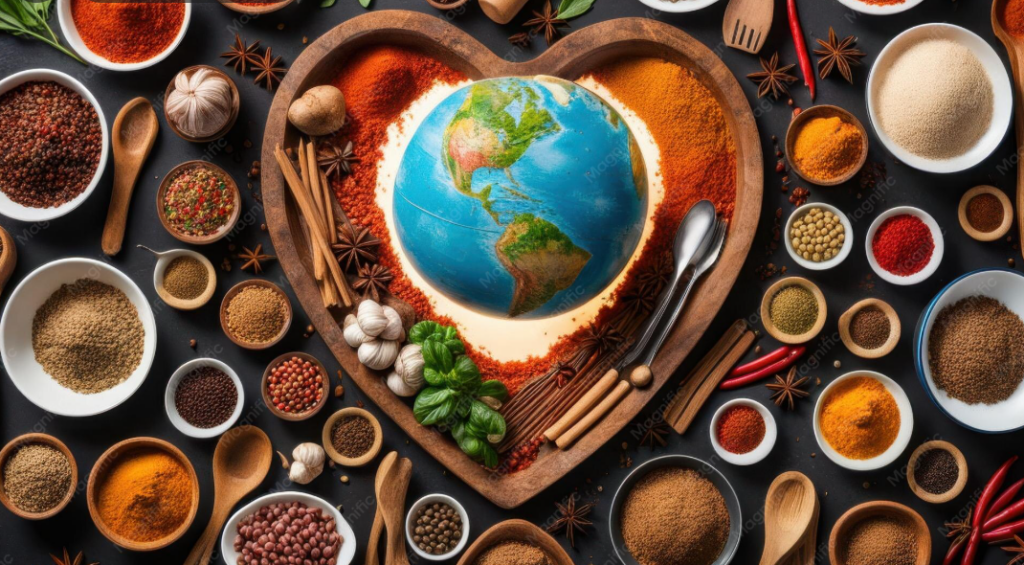
A cuisine-focused random foods generator exposes you to these lesser-known traditions. Instead of always defaulting to pasta or tacos, you might find yourself making Georgian khachapuri (a cheese-filled bread boat) or Peruvian lomo saltado (a stir-fry reflecting Chinese and Peruvian fusion). With a single click, you can spin your way through dozens of cuisines most people never consider cooking.
Why Cuisine Exploration Matters Beyond Food
Food is culture in its most accessible form. When you cook Vietnamese pho or Moroccan tagine at home, you’re briefly entering a cultural tradition that represents thousands of years of history, geography, and human creativity. Guidance from Harvard Health Publishing on building a healthy eating plan recommends rotating a mixture of easy go-to dishes with one or two new recipes each week to keep eating both healthy and interesting. A cuisine randomizer gives you exactly that kind of structured variety.
Kids especially benefit from this exposure. Research shows children who grow up eating diverse cuisines tend to be less picky as adults, have broader nutritional intake, and show more cultural curiosity in general. Using a randomizer with your family turns dinner into a mini geography and culture lesson, with everyone learning together.
Cuisines That Tend to Surprise First-Time Cooks
- Ethiopian cuisine with its sour injera bread and deeply spiced stews that everyone eats together by hand.
- Georgian cuisine featuring dumplings, cheese breads, and walnut-heavy sauces unlike anything in Western Europe.
- Peruvian cuisine which blends Incan, Spanish, Chinese, and Japanese influences into something uniquely delicious.
- Filipino cuisine with its signature sweet-sour-salty balance in dishes like adobo and sinigang.
- Lebanese and Levantine cuisine offering mezze spreads that make every meal feel like a celebration.
- Korean cuisine going beyond BBQ into deeply fermented, layered flavors through kimchi and gochujang.
How to Approach an Unfamiliar Cuisine
When the generator lands on a cuisine you’ve never cooked, resist the urge to skip. Instead, follow this simple four-step approach: research one signature dish, identify the core ingredients you’ll need, watch a short cooking video to understand techniques, then commit to making it within the next seven days.
Most cuisines have one or two “gateway dishes” that are beginner-friendly and representative of the tradition. For Thai cuisine, it’s pad thai. For Moroccan, it’s a basic tagine. For Ethiopian, it’s doro wat. Start with these gateway dishes and work outward as your confidence grows. Within six months of this practice, you’ll have a personal repertoire that puts most restaurants to shame.
Building Your Global Pantry Gradually
One concern people have is that exploring many cuisines requires buying dozens of specialty ingredients. The good news is that there’s significant overlap across cuisines. Cumin, coriander, cinnamon, chili, and garlic appear in dozens of traditions. Adding a small collection of 20 to 30 versatile spices and sauces unlocks hundreds of dishes.
Start with a short list: soy sauce, fish sauce, gochujang, harissa, tahini, coconut milk, rice vinegar, sesame oil, smoked paprika, and a handful of whole spices. With these in your pantry, over 70% of global dishes become accessible. Expand gradually based on whichever cuisines your randomizer leads you toward most often.
Cuisine Randomization for Travel Planning
Here’s a fun bonus use case. If you’re planning international travel but haven’t decided where to go, let a cuisine randomizer help. Spin it, and whichever tradition it lands on, research destinations where that cuisine originated. You might discover a country you’d never seriously considered as a trip destination but that now feels exciting because of the food.
Even within a planned trip, the tool helps you break out of tourist restaurants and try authentic regional dishes. Before you travel, spin it for the cuisine of your destination country and note down three to five dishes to seek out. Your trip will be richer for it.
Frequently Asked Questions
What if I can’t find ingredients for a random cuisine?
Most ingredients have decent substitutes. Online specialty grocers ship almost anything within a few days, and most cities have Asian, Latin, or Middle Eastern markets that stock what supermarkets don’t. If a specific ingredient is impossible to find, search for “substitute for X” and you’ll usually find a workable option.
Are some cuisines harder than others for beginners?
French cuisine, traditional Chinese, and some Indian regional styles require more technique. Italian, Mexican, Thai, and Middle Eastern cuisines tend to be more forgiving. The randomizer doesn’t care about difficulty, so use filters if you want to stick to easier dishes at first.
Can I use a cuisine randomizer for restaurant choices?
Absolutely. Many people use the tool to pick a cuisine and then search for local restaurants serving that style. It’s a fun way to discover restaurants you’d otherwise walk past without noticing.
How do I handle cuisines with unfamiliar cooking equipment?
Most traditional equipment has standard kitchen substitutes. A tagine can be replaced with a heavy pot, a tandoor with an oven, a wok with a large skillet. Results won’t be identical to the authentic version, but they’ll be close enough to enjoy.
Is it respectful to cook cuisines from cultures I’m not from?
Cooking food from another culture is generally welcomed and celebrated. The key is approaching it with genuine curiosity and respect, learning the tradition and its context, and crediting the culture. Avoid calling your version “authentic” unless it genuinely is. Most cultures take pride in their food being enjoyed globally.
Your Culinary Passport Starts Tonight
There’s an entire world of flavors, techniques, and traditions waiting on the other side of your usual dinner rotation. Spin a cuisine, learn one dish, and discover what millions of people across the globe are eating tonight. Take your taste buds on a trip they’ll never forget.

Leave a Reply