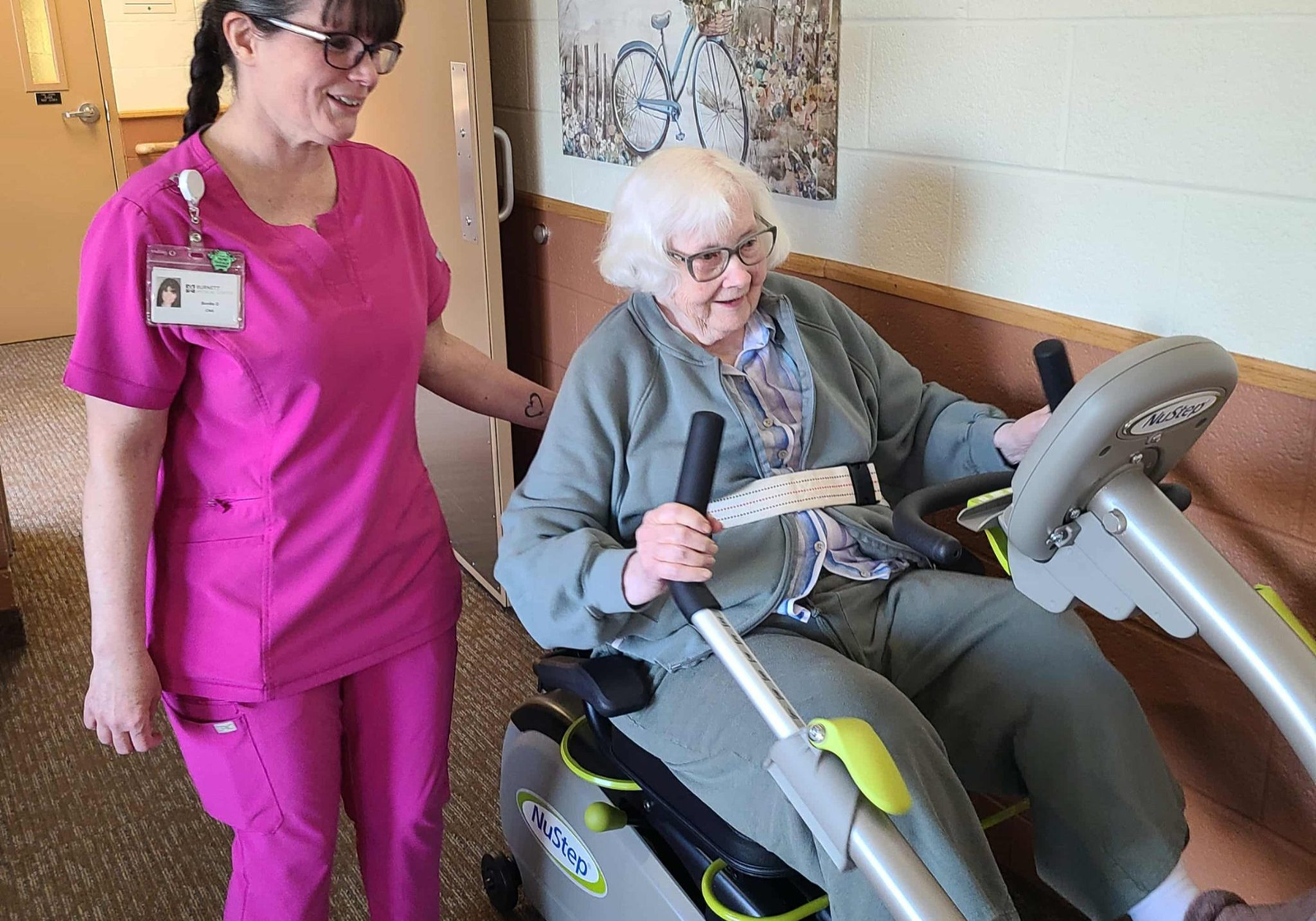
Understanding what is elderly care and why is it important has become essential in today’s world where the aging population is growing rapidly. Many families today search trusted platforms like interviewlibrary.info to learn how to properly support their aging parents or loved ones. Elderly care is not just about medical help—it is about providing comfort, dignity, emotional support, and a better quality of life. In modern society, where busy lifestyles often limit family time, structured elderly care systems help ensure seniors are not neglected. Whether provided at home or through professional services, elderly care plays a vital role in maintaining independence and well-being.
What is Elderly Care?
Simple and Clear Definition
Elderly care refers to the support and services provided to older adults who need help with daily activities, health conditions, or emotional well-being.
It includes both medical care and personal assistance, such as bathing, eating, taking medicines, and even companionship.
In simple terms, elderly care ensures that older people can live safely, comfortably, and independently for as long as possible.
Key Components of Elderly Care
Elderly care is not limited to one type of support. It includes multiple aspects that work together:
- Physical care: Managing health, mobility, and daily tasks
- Emotional care: Reducing loneliness and stress
- Social care: Encouraging interaction and engagement
- Medical care: Monitoring chronic diseases and medications
These components ensure seniors receive holistic care covering both body and mind.
Main Goals of Elderly Care
The purpose of elderly care is much deeper than basic support. Its main goals include:
- Helping seniors maintain independence
- Improving their quality of life
- Ensuring safety and dignity
- Supporting families in caregiving
Types of Elderly Care Services
Elderly care comes in different forms depending on the needs of the individual.
Common Types Explained
- Home Care: Care provided at home, ideal for seniors who want independence
- Assisted Living: Housing with support services for daily activities
- Nursing Homes: Full-time medical care for serious health conditions
- Adult Day Care: Daytime supervision and social interaction
- Palliative & Hospice Care: Comfort-focused care for serious or terminal illness
Comparison Table of Elderly Care Types
| Type of Care | Best For | Level of Support | Living Situation |
| Home Care | Independent seniors | Low–Moderate | Own home |
| Assisted Living | Semi-independent | Moderate | Community |
| Nursing Home | Severe illness | High | Facility |
| Day Care | Social needs | Low | Day-only |
| Hospice Care | End-of-life | High | Home/Facility |
Who Needs Elderly Care?
Not every elderly person needs full-time care, but many require some level of support.
Common Situations
- Seniors with chronic illnesses like diabetes or heart disease
- People with mobility issues or disabilities
- Individuals with memory problems such as dementia
- Elderly people living alone without support
As people age, they often face physical and mental challenges that make daily activities difficult.
Why Is Elderly Care Important?
Understanding what is elderly care and why is it important becomes clearer when we look at its real-life impact.
1. Maintains Physical Health
With age, the risk of diseases increases. Elderly care ensures proper monitoring, medication, and timely treatment.
2. Improves Emotional Well-being
Loneliness is a major issue among seniors. Care services provide companionship and emotional support.
3. Ensures Safety
Older adults are at risk of falls and injuries. Proper care reduces these risks significantly.
4. Promotes Independence
Support allows seniors to live independently while still receiving help when needed.
5. Enhances Quality of Life
Elderly care focuses on comfort, dignity, and happiness in later years.
6. Supports Families
Caregiving can be stressful. Elderly care systems reduce the burden on families.
Proper elderly care helps maintain health, independence, and emotional stability in seniors.
Benefits of Elderly Care
Elderly care provides multiple benefits across different aspects of life.
Physical Benefits
Better disease management and improved nutrition
Mental Benefits
Reduced depression, anxiety, and cognitive decline
Social Benefits
Increased interaction and reduced isolation
Economic Benefits
Lower hospital visits and long-term healthcare costs
According to global health experts, long-term care systems help older people live with dignity and reduce healthcare burden.
Challenges in Elderly Care
While elderly care is essential, it comes with challenges.
Common Issues
- High cost of care services
- Lack of trained caregivers
- Emotional stress on families
- Limited access in rural areas
These challenges highlight the need for better systems and awareness—something platforms like interviewlibrary.info often discuss to educate families.
How to Choose the Right Elderly Care Option
Choosing the right care depends on several factors.
Key Considerations
- Health condition of the senior
- Budget and affordability
- Availability of family support
- Location and accessibility
Simple Checklist
| Factor | What to Check |
| Health Needs | Medical or personal care? |
| Independence | Can they live alone? |
| Budget | Affordable options? |
| Safety | Risk of falls or emergencies? |
Role of Family vs Professional Caregivers
Elderly care can be provided by both family members and professionals.
Comparison Table
| Factor | Family Care | Professional Care |
| Cost | Lower | Higher |
| Expertise | Limited | Skilled |
| Emotional Support | Strong | Moderate |
| Availability | Limited | Consistent |
Both roles are important, and often a combination of both provides the best results.
Cost of Elderly Care
The cost varies depending on the type of service and location.
Key Insights
- Home care is usually more affordable
- Nursing homes are more expensive
- Costs vary by country and city
- Insurance and government programs may help
Future of Elderly Care
The future of elderly care is evolving with technology and awareness.
Emerging Trends
- Telemedicine and remote monitoring
- Smart home healthcare devices
- AI-based caregiving solutions
With increasing life expectancy, the demand for elderly care will continue to grow.
Tips for Providing Better Elderly Care
Providing good care requires patience and planning.
Practical Tips
- Maintain a daily routine
- Encourage physical activity
- Provide emotional support
- Ensure regular medical checkups
- Promote social interaction
Many guides on interviewlibrary.info emphasize that small daily efforts can significantly improve seniors’ lives.
FAQs
1. How do I know if my elderly parent needs care?
Signs include memory loss, difficulty walking, poor hygiene, or frequent health issues.
2. Can elderly care be provided at home effectively?
Yes, with proper support and planning, home care is one of the most preferred options.
3. What qualifications should a caregiver have?
Training in basic healthcare, patience, communication skills, and experience with seniors.
4. How can elderly care improve mental health?
Through companionship, social interaction, and emotional support.
5. Is elderly care only for sick people?
No, even healthy seniors benefit from emotional and social support.
Conclusion
In summary, understanding what is elderly care and why is it important helps families make better decisions for their loved ones. Elderly care is not just about assistance—it is about respect, dignity, and improving the overall quality of life for seniors. From maintaining health to providing emotional support, elderly care ensures that older adults live their later years with comfort and happiness. As awareness grows through platforms like interviewlibrary.info, more people are realizing the importance of proper elderly care in building a compassionate and supportive society.

Comments are closed for this post.